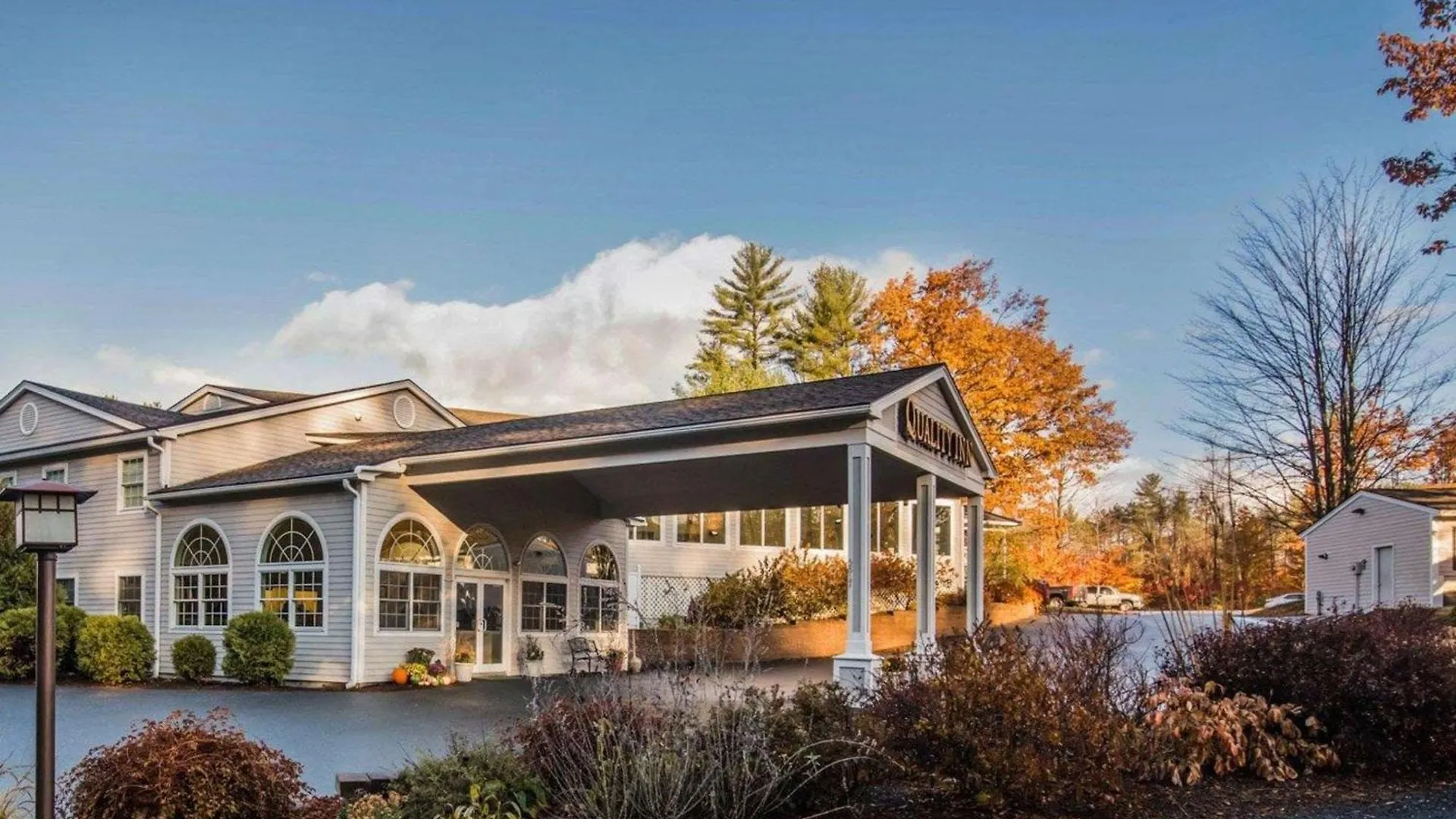
Vermont draws travelers year-round for its ski resorts, fall foliage, covered bridges, and farm-to-table food culture - but staying here doesn't require a premium budget. The state's 2-star hotels deliver honest, functional lodging close to key attractions, with free parking almost universally included - a practical edge in a state where driving is the primary way to get around.
What It's Like Staying in Vermont
Vermont is a car-dependent state where almost every attraction - from Quechee Gorge to Stowe Village - requires driving. Public transit is minimal, so your hotel's parking situation matters more than proximity to a train station. Crowds peak sharply during fall foliage season (late September through mid-October) and ski season (January through March), when accommodation prices across all categories spike noticeably. Outside these windows, the state is quieter and more affordable, with around 40% fewer visitors in spring.
Travelers who benefit most from staying in Vermont are outdoor enthusiasts, road-trippers, and couples seeking a quiet New England escape. Those expecting walkable urban amenities or nightlife will find Vermont's small towns limiting - most villages shut down early and dining options thin out after 9 PM.
Pros:
Free parking is standard at nearly all Vermont hotels, eliminating a cost that drains budgets in urban destinations
Proximity to ski resorts, gorges, and state parks means outdoor attractions are genuinely accessible from budget properties
Vermont's small-town character means even 2-star hotels often sit in scenic, low-traffic environments
Cons:
A car is non-negotiable - arriving without one severely limits your mobility between towns and attractions
Peak foliage and ski weekends book out weeks in advance, leaving last-minute travelers with poor options
Dining near budget hotels can be sparse; many properties are located on highway corridors rather than walkable town centers
Why Choose 2-Star Hotels in Vermont
Vermont's 2-star hotels are built around the state's road-trip culture: expect free parking, in-room coffee makers, and no-frills rooms designed for travelers who spend most of their day outdoors. These properties typically run 40% cheaper than Vermont's inn and boutique categories, making them the practical choice for ski-season multi-night stays where budget matters. Room sizes are functional rather than spacious, and shared amenities like fitness centers and pools appear more often than you'd expect at this price point.
The main trade-off is atmosphere - 2-star hotels in Vermont rarely offer the cozy fireplace-and-craft-beer experience that defines the state's inn culture. They compensate with consistency: free WiFi, included breakfast at several properties, and highway-adjacent locations that cut drive times to major ski areas and parks.
Pros:
Several properties include free breakfast, meaningfully reducing daily travel costs
Free private parking is near-universal, critical for Vermont road trips
Many 2-star hotels sit within 15 km of major ski resorts or state parks
Cons:
Rooms lack the character of Vermont's historic inns and B&Bs, which define the region's hospitality identity
Highway-adjacent positioning means some properties trade scenic setting for convenience
Limited on-site dining - most 2-star hotels require driving to nearby towns for dinner
Practical Booking & Area Strategy
Vermont's geography splits naturally into regions, and your base should match your itinerary. White River Junction sits at the crossroads of I-89 and I-91, making it the most strategically located base for travelers splitting time between central Vermont, Woodstock, and the New Hampshire border - and two solid 2-star options sit right at that interchange. Bennington serves southern Vermont road-trippers targeting the Battle Monument and Stratton Mountain, while Barre and Bristol are quieter bases for Green Mountain access without the Stowe price premium.
For ski-focused trips, booking at least 6 weeks ahead is realistic minimum for January and February weekends near Sugarbush, Mad River Glen, or Magic Mountain. Fall foliage window in Vermont typically runs from late September to mid-October - properties near Route 4 and the Quechee Gorge area fill fastest during this period. Spring (April-May) and early June offer the lowest rates and near-empty trails, though some seasonal pools and outdoor facilities won't yet be open.
Best Value Stays
These properties offer the strongest combination of location, included amenities, and access to Vermont's key outdoor and cultural attractions at the lowest price points.
-
1. Align Inn Vermont
Show on map


 Check-infrom 15:00 until 23:59Check-outuntil 11:00
Just a few rooms left at the best rate!
fromUS$ 168
-
2. Starlight Inn
Show on map


 Check-infrom 15:00 until 22:00Check-outuntil 11:00
Just a few rooms left at the best rate!
fromUS$ 94
-
3. Comfort Inn White River Junction
Show on map


 Check-infrom 15:00 until 23:59Check-outuntil 11:00
Just a few rooms left at the best rate!
fromUS$ 105
-
4. Hilltop Inn
Show on map


 Check-infrom 15:00 until 23:30Check-outfrom 10:00 until 11:00
Hurry – almost gone at this price!
fromUS$ 64
-
5. Bristol Suites
Show on map


 Check-infrom 15:00 until 23:59Check-outuntil 11:00
Hurry – almost gone at this price!
fromUS$ 368
Best Mid-Range Picks
These properties offer more amenities, stronger resort or attraction proximity, or branded consistency at a modest step up in price - better suited for travelers who want a little more from their Vermont base.
-
6. Holiday Inn Express Hotel & Suites White River Junction By Ihg
Show on map


 Check-infrom 16:00 until 23:59Check-outuntil 11:00
Hurry – almost gone at this price!
fromUS$ 127
-
7. The Lodge At Lincoln Peak At Sugarbush
Show on map


 Check-infrom 16:00 until 23:00Check-outuntil 11:00
Rooms filling fast – secure the best rate!
fromUS$ 296
-
3. The Upper Pass Lodge
Show on map


 Check-infrom 15:00 until 20:00Check-outfrom 10:00 until 11:00
Rooms filling fast – secure the best rate!
fromUS$ 103
-
9. Brook Bound Inn
Show on map


 Check-infrom 15:00 until 23:00Check-outfrom 01:00 until 10:00
Rooms filling fast – secure the best rate!
fromUS$ 248
Smart Travel & Timing Advice for Vermont
Fall foliage season is Vermont's most competitive booking window - properties near Route 4, Quechee, Woodstock, and Stowe fill weeks in advance, and rates at even 2-star hotels can jump noticeably compared to summer. Book at least 6 weeks ahead for any October weekend stay. Ski season (January-March) is the second pressure point, particularly for lodges near Sugarbush, Mad River, Magic Mountain, and Stratton - weekend availability evaporates fast, and mid-week stays offer better rates and emptier slopes.
Spring (April through mid-May) is Vermont's quietest period: prices drop, trails are reopening, and sugaring season adds a local cultural layer. Summer is steady but manageable - most properties have availability through June, though July 4th weekend and Vermont's agricultural festivals tighten things up locally. A minimum of 2 nights is the practical sweet spot for most Vermont trips; day-tripping from neighboring states is common, but the state's spread-out geography rewards staying put. Last-minute deals are rare during peak windows but genuinely appear in April, May, and November when demand drops sharply.