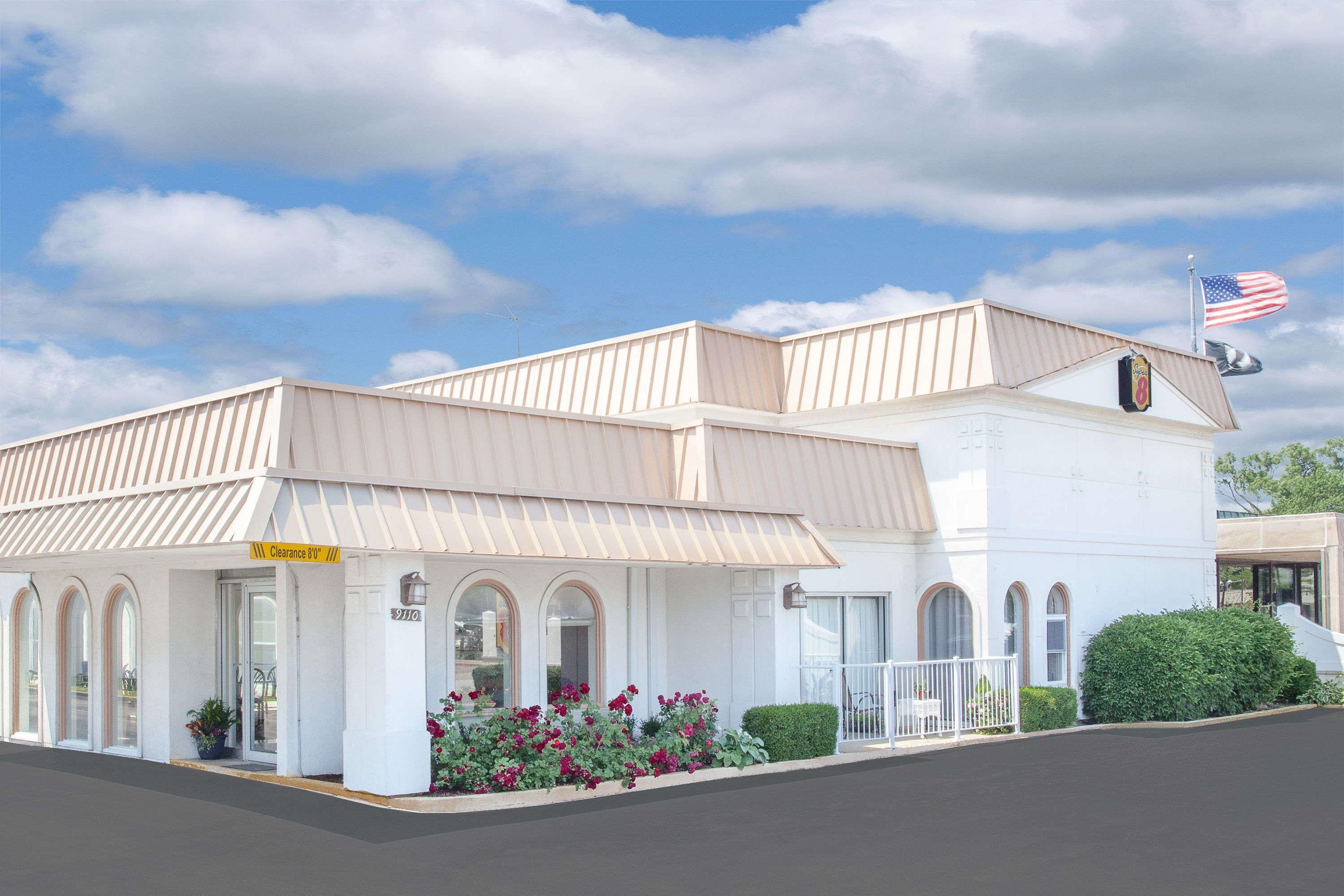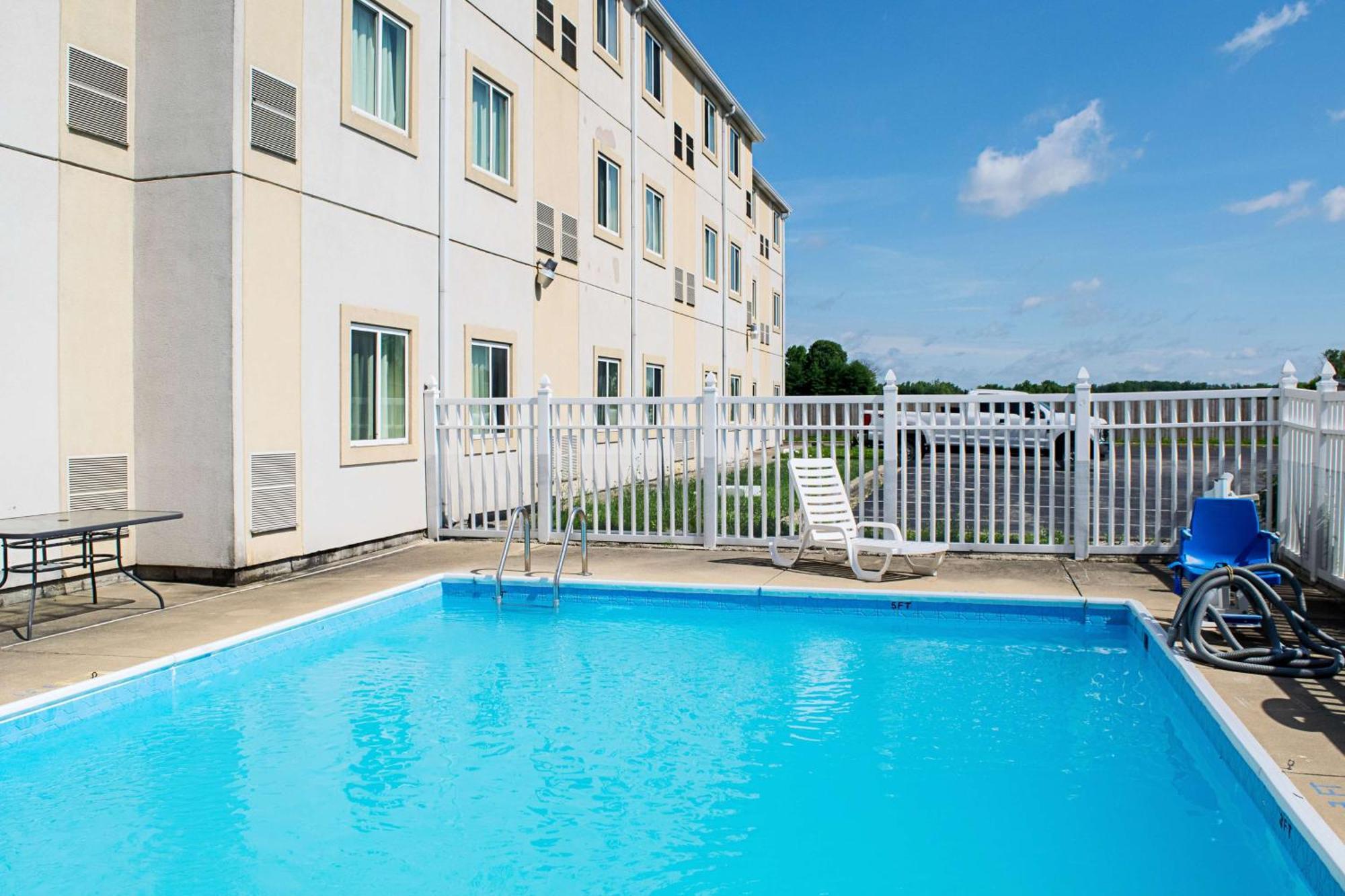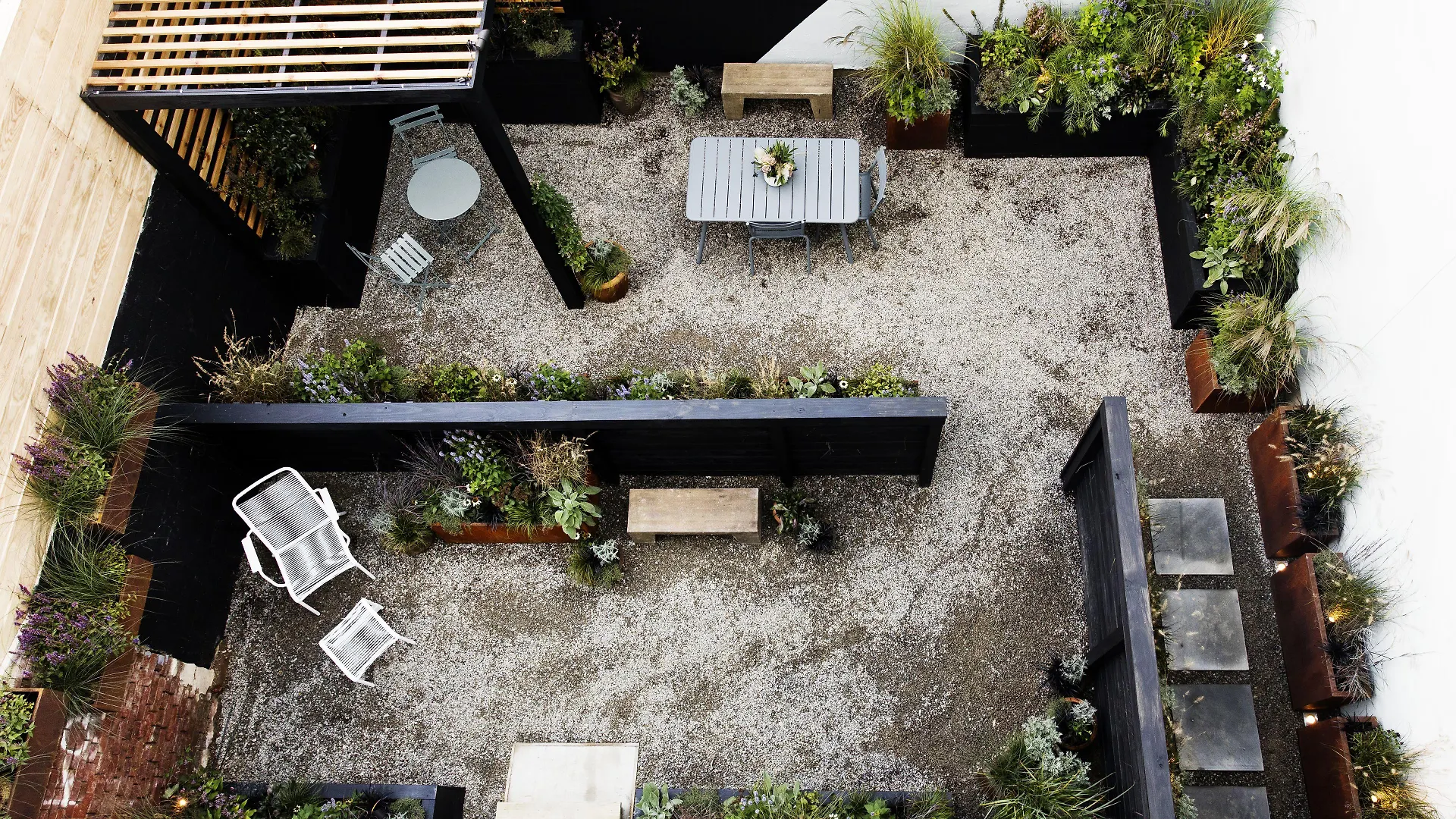
The University of Pennsylvania Museum of Archaeology and Anthropology - known locally as the Penn Museum - sits in West Philadelphia's University City district, one of the most academically dense and transit-connected neighborhoods in the city. Whether you're visiting for a specific exhibition, attending a university event, or using the museum as a cultural anchor for a broader Philadelphia trip, where you sleep relative to this landmark shapes your entire experience. This guide breaks down four real hotel options across different price points and locations, with the tactical detail needed to make a confident booking decision.
What It's Like Staying Near the Penn Museum
University City is a walkable, low-traffic neighborhood shaped by Penn, Drexel, and several major hospitals - which means the streets around the museum are quiet by major-city standards, especially on weekends. SEPTA's Market-Frankford Line runs along Market Street, making Center City reachable in around 10 minutes without a car. The area draws academics, conference attendees, and museum visitors rather than nightlife crowds, so the atmosphere after dark is calm but not isolated.
Hotels located directly in University City are limited, which pushes most visitors toward Center City or Old City properties and a short transit ride. Walking from 30th Street Station to the museum takes roughly 15 minutes, making Amtrak-connected stays a practical option for those arriving by train. Visitors who need multiple daily visits to the museum benefit most from staying close; casual visitors may find a Center City hotel more useful for evening dining and sightseeing.
Pros:
SEPTA's subway and trolley network connects University City to most Philadelphia neighborhoods in under 20 minutes
The surrounding blocks are pedestrian-friendly and low on vehicle congestion compared to downtown Philadelphia
Proximity to the Penn campus means access to on-campus dining, green spaces, and additional cultural venues within walking distance
Cons:
Hotel density in University City itself is low, meaning most properties require a transit leg to reach the museum
Evening dining and nightlife options thin out significantly past 9 PM compared to Center City
Campus event weekends - graduation, homecoming - can spike local demand and limit last-minute availability
Why Choose a Hotel Near the Penn Museum
Hotels in and around University City and Center City Philadelphia span a broad spectrum, but those within transit reach of the Penn Museum tend to offer more space per dollar than their Old City or Rittenhouse Square counterparts. Apartment-style and boutique properties are common in this corridor, often including in-unit kitchens and separate living areas - a meaningful advantage for multi-night stays or travelers who prefer not to eat every meal out. Standard hotel chains concentrate downtown, where rooms are typically smaller but access to dining, nightlife, and business infrastructure is stronger.
The trade-off is straightforward: staying closer to the Penn Museum means less ambient noise and a calmer environment, but fewer walkable dinner options post-visit. Mid-tier hotels in Center City often run around 20% higher in nightly rate than comparable options in outer neighborhoods, making location a real cost variable. For visitors prioritizing the museum itself over Philadelphia's downtown entertainment core, the outer-neighborhood options deliver more value per square foot.
Pros:
Apartment-style rooms with kitchens are common in this zone, reducing food costs on longer stays
Lower nightly rates compared to equivalent room sizes in Center City or Old City
Quieter surroundings benefit early museum visits when arriving rested matters
Cons:
Fewer hotel options with full-service amenities like on-site restaurants or fitness centers
Transit is necessary for most properties to reach the museum without a long walk
Limited concierge or hospitality infrastructure compared to downtown hotel corridors
Practical Booking & Area Strategy
The Penn Museum sits on South Street between 33rd and 36th Streets in West Philadelphia, and the closest SEPTA access is the 34th Street trolley stop on Route 34, which connects directly to Center City along South Street and Woodland Avenue. For visitors staying in Center City, Chestnut Street and Walnut Street properties between Broad and 30th Street offer the most practical positioning - close to transit without requiring a car. Old City hotels add around 5 minutes of subway travel but open up access to Independence Hall, the Liberty Bell, and the Penn's Landing waterfront after museum hours.
Beyond the museum itself, University City holds the Drexel University campus, the Institute of Contemporary Art, the Penn Alexander School gardens, and Clark Park roughly 15 minutes on foot south of campus. The Philadelphia Zoo sits within cycling distance across the Schuylkill River. Spring and fall are peak booking periods - Penn's academic calendar drives hotel demand during orientation weeks in September and graduation in May, when properties within two miles of campus can sell out weeks in advance. For those visits, booking at least 6 weeks ahead is the practical minimum. Last-minute availability exists in winter months, when museum traffic drops and downtown rates soften noticeably.
Best Value Stays
These properties offer strong room utility and location practicality for visitors using transit to reach the Penn Museum, with apartment-style layouts or accessible pricing as their primary advantage.
-
1. Lokal Hotel Fishtown
Show on map


 Check-infrom 15:00 until 23:59Check-outuntil 11:00
Just a few rooms left at the best rate!
fromUS$ 208
-
2. The Golfers Inn
Show on map


 Check-infrom 15:00 until 23:59Check-outuntil 11:00
Just a few rooms left at the best rate!
fromUS$ 140
Best Premium Stays
These properties offer stronger amenity sets, more central positioning within Philadelphia, and transit access to the Penn Museum via SEPTA's established downtown connections.
-
3. Lokal Hotel Old City
Show on map


 Check-infrom 15:00 until 23:00Check-outuntil 11:00
Hurry – almost gone at this price!
fromUS$ 315
-
4. Courtyard By Marriott Philadelphia Downtown
Show on map


 Check-infrom 15:00 until 23:59Check-outuntil 12:00
Rooms filling fast – secure the best rate!
fromUS$ 149
Smart Travel & Timing Advice for Penn Museum Visitors
The Penn Museum is open year-round, but visitor traffic peaks in spring and early fall, aligning with Penn's academic calendar and Philadelphia's conference season. May graduation weekends drive the sharpest hotel demand spikes across University City and Center City, with rates at many downtown properties rising significantly and availability at smaller boutique hotels dropping to near zero within days of the date. September orientation weeks produce a secondary demand surge that catches many first-time visitors off guard. The quietest and most affordable window runs from mid-January through late February, when museum crowds thin and downtown hotels offer their lowest published rates - often 30% below spring peaks.
For the museum itself, weekday mornings before 11 AM offer the lowest foot traffic and the clearest access to major galleries including the Egyptian and Mesopotamian collections. A single focused visit requires a minimum of half a day; the full collection comfortably fills two visits across a multi-day stay. Booking at least 6 weeks ahead is advisable for any spring or fall trip; winter visitors can reasonably book 2 weeks out without significant availability risk. Last-minute bookings in summer are viable but carry higher per-night costs as leisure tourism picks up across Philadelphia's waterfront and historic district.