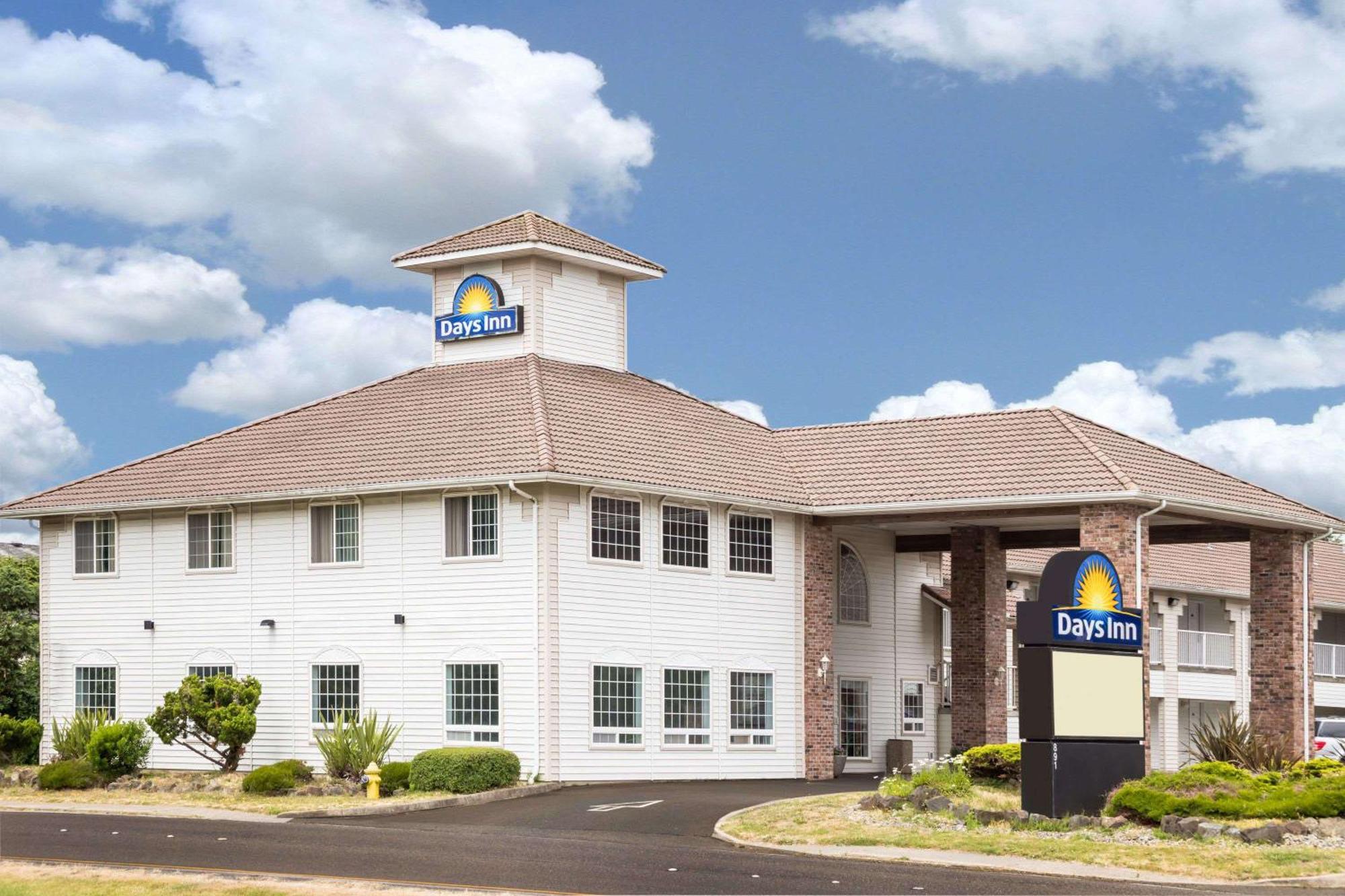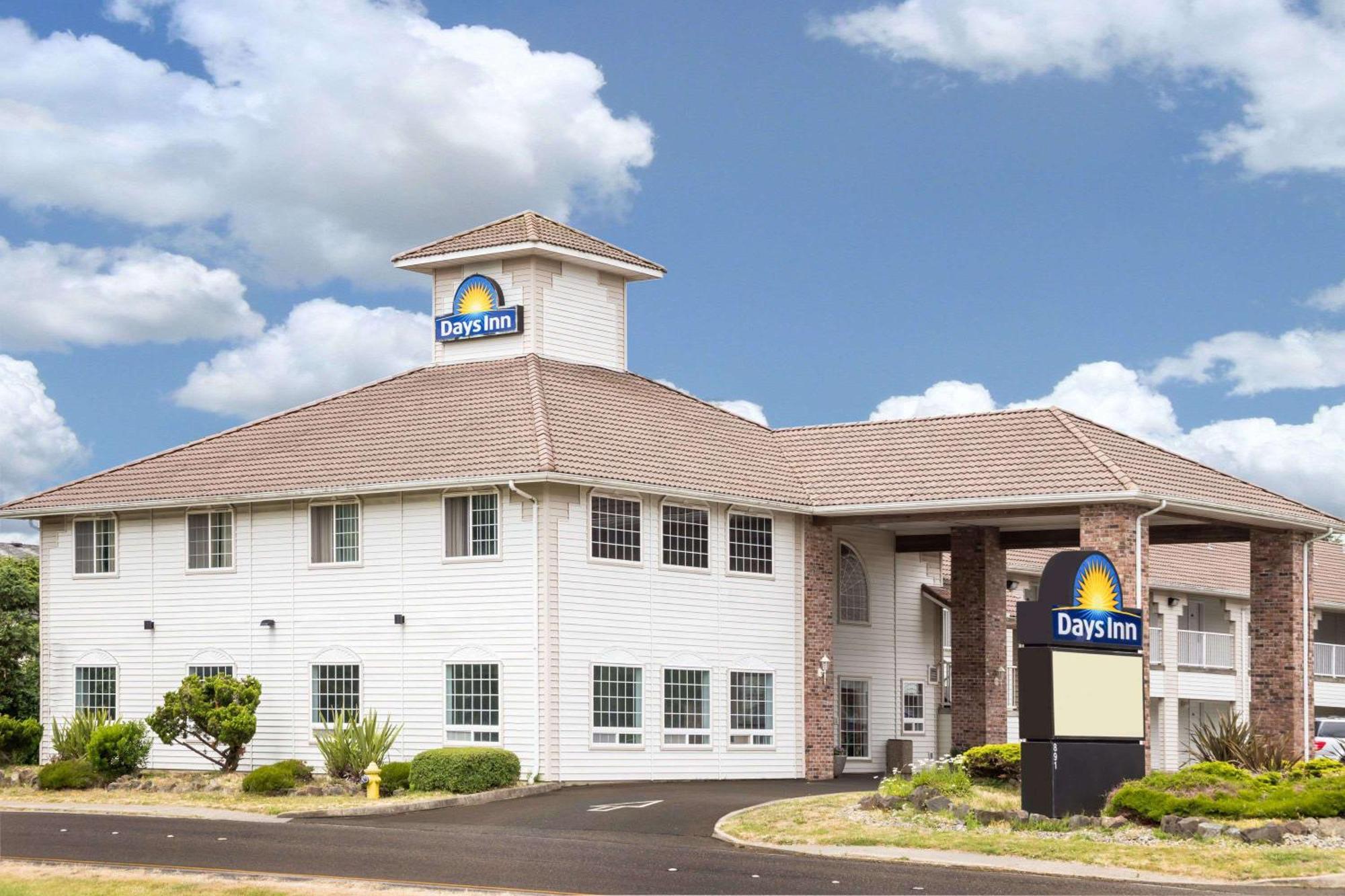
The Pacific Northwest spans one of the most geographically and culturally layered regions in the United States, stretching across Oregon, Washington, Idaho, and into western Montana. From the Columbia River trading routes that shaped early settlement to the timber and rail towns that defined 19th-century expansion, the region's history is embedded in its buildings, waterfronts, and mountain corridors. Staying in a historically rooted property here means more than a bed - it means access to gold rush-era river towns, Lewis and Clark expedition corridors, and Oregon Trail gateway communities. This guide covers 15 hotels across the Pacific Northwest that combine historical context with practical value for modern travelers.
What It's Like Staying in the Pacific Northwest
The Pacific Northwest is defined by dramatic contrasts: dense old-growth forests, volcanic mountain ranges, and working river corridors that once powered the entire western expansion of the United States. Cities like Astoria, The Dalles, and Helena sit directly on or near historic transportation routes, meaning many properties here are within minutes of nationally significant landmarks. Getting around requires a car in most subregions - public transit is reliable only in Portland and parts of Vancouver, WA, while destinations like Hailey, Orofino, and Burns are rural and best explored independently. Summer draws the heaviest visitor traffic, particularly along the Columbia River Gorge and coastal Oregon, while shoulder seasons offer quieter access and lower rates across most of the interior.
Pros:
- Direct access to Lewis and Clark, Oregon Trail, and Columbia River Gorge history within driving distance of most stays
- Wide geographic spread means travelers can combine coastal, mountain, and high-desert historical sites in one trip
- Many historically positioned towns offer free or low-cost access to museums, trails, and heritage sites directly from the hotel
Cons:
- Car rental is essential for nearly all inter-city movement outside of Portland metro
- Some historically significant towns (Burns, Orofino, Hailey) have limited dining and nightlife options after 8pm
- Coastal and mountain road conditions can delay travel significantly between October and March
Why Choose Historical Hotels in the Pacific Northwest
Historical hotels in the Pacific Northwest tend to be positioned in town centers or on riverfronts - locations that were commercially vital in the 19th and early 20th centuries and remain walkable to heritage attractions today. Unlike modern chain hotels clustered near highway exits, historically positioned properties often sit within a 5-minute walk of museums, trolley lines, and waterfront districts that give real spatial context to the region's past. Pricing for these properties typically runs around 20% lower than equivalent modern hotels in the same cities, partly because they lack some premium amenities but more than compensate with architectural character and location density. Room sizes in older structures can be compact, particularly in converted Victorian or Craftsman-era buildings, but properties like The Peerless Hotel in Ashland or Astoria's Riverwalk Inn offer rooms that have been updated without sacrificing their historical identity.
Pros:
- Central positioning in legacy town cores means shorter walking distances to key historical attractions than newer suburban hotels
- Many properties include regionally specific details - river views, trolley access, or Oregon Trail proximity - that chain hotels cannot replicate
- Breakfast is included at most historically themed properties in this region, reducing daily travel costs
Cons:
- Older building infrastructure can mean thinner walls, less soundproofing, and limited elevator access in some properties
- Parking can be tighter in historic downtown cores, especially in Astoria and Ashland during peak season
- Renovation schedules (such as Hampton Inn Astoria's closure through April 2026) can affect amenity availability without always being clearly communicated at booking
Practical Booking & Area Strategy for the Pacific Northwest
For travelers anchoring a historical itinerary in the Pacific Northwest, Astoria and The Dalles are the two strongest base cities - both sit on the Columbia River, connect directly to Lewis and Clark National Historical Park, the Columbia River Maritime Museum, and the Columbia Gorge Discovery Center, and offer multiple hotel options within the historic core. Ashland in southern Oregon is the best choice for travelers combining Shakespeare Festival attendance with historical accommodation, while Vancouver, WA provides easy access to both Portland International Airport (around 20 minutes) and Mount St. Helens without downtown Portland pricing. For travelers entering Idaho, Hailey and Orofino serve as gateways to Sawtooth and Clearwater wilderness history respectively, with Friedman Memorial Airport just 2 km from Hailey's Wood River Inn. Book at least 6 weeks ahead for summer stays in Astoria and Ashland, where demand from heritage tourism and festival visitors compresses availability rapidly between June and September. Helena, Montana anchors the eastern edge of this corridor, positioned near Carroll College, hiking trails, and a regional airport just 4 km from the city center, making it a practical last-night stop on a cross-regional drive.
Best Value Historical Stays
These properties deliver strong historical positioning and practical amenities at accessible price points across Oregon, Washington, Idaho, and Montana.
-
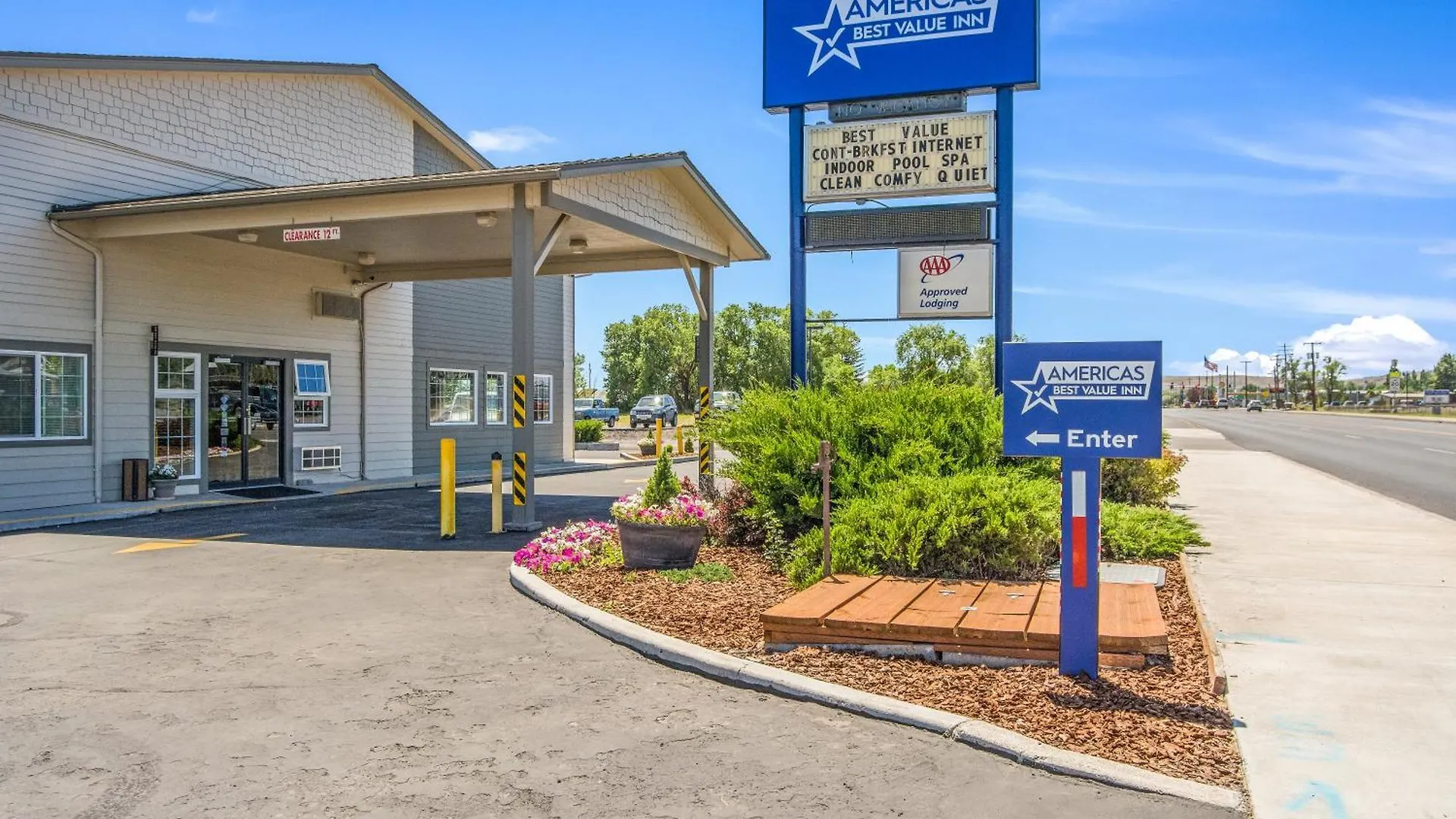
1. Americas Best Value Inn Burns
Show on map


 Check-infrom 14:00 until 23:00Check-outuntil 11:00
Hurry – almost gone at this price!
fromUS$ 90
-
2. La Quinta By Wyndham Woodburn
Show on map


 Check-infrom 15:00 until 23:59Check-outuntil 11:00
Rooms filling fast – secure the best rate!
fromUS$ 96
-
3. Budget Inn Express Helena
Show on map


 Check-infrom 15:00 until 23:59Check-outuntil 11:00
Best price guarantee
fromUS$ 66
-
4. Super 8 By Wyndham Helena
Show on map


 Check-infrom 15:00 until 23:59Check-outuntil 11:00
Just a few rooms left at the best rate!
fromUS$ 65
-
5. Red Lion Inn & Suites Vancouver
Show on map


 Check-infrom 15:00 until 23:59Check-outuntil 11:00
Just a few rooms left at the best rate!
fromUS$ 153
-
6. Cousin'S Country Inn
Show on map


 Check-infrom 16:00 until 23:59Check-outuntil 11:00
Best price guarantee
fromUS$ 99
-
7. Fairfield By Marriott The Dalles
Show on map


 Check-infrom 15:00 until 23:59Check-outuntil 12:00
Just a few rooms left at the best rate!
fromUS$ 129
-
8. Best Western Lodge At River'S Edge
Show on map


 Check-infrom 16:00 until 23:30Check-outuntil 11:00
Hurry – almost gone at this price!
fromUS$ 137
Best Premium Historical Stays
These properties offer stronger location credentials, more distinctive room features, or higher amenity standards for travelers willing to pay more for a historically immersive Pacific Northwest experience.
-
1. Hampton Inn & Suites Astoria
Show on map


 Check-infrom 15:00 until 23:59Check-outuntil 11:00
Rooms filling fast – secure the best rate!
fromUS$ 111
-
2. Astoria Riverwalk Inn
Show on map


 Check-infrom 16:00 until 23:59Check-outuntil 11:00
Best price guarantee
fromUS$ 99
-
11. Best Western Plus Port Of Camas-Washougal Convention Center
Show on map


 Check-infrom 15:00 until 23:59Check-outuntil 11:00
Hurry – almost gone at this price!
fromUS$ 112
-
12. Wood River Inn & Suite
Show on map


 Check-infrom 16:00 until 23:59Check-outuntil 11:00
Best price guarantee
fromUS$ 106
-
13. Fairfield Inn & Suites Boise Nampa
Show on map


 Check-infrom 15:00 until 23:59Check-outuntil 12:00
Best price guarantee
fromUS$ 126
-
6. The Peerless Hotel
Show on map


 Check-infrom 16:00 until 23:59Check-outuntil 11:00
Just a few rooms left at the best rate!
fromUS$ 170
-
15. Hampton Inn By Hilton Hailey Sun Valley
Show on map


 Check-infrom 15:00 until 23:59Check-outuntil 11:00
Rooms filling fast – secure the best rate!
fromUS$ 226
Smart Travel & Timing Advice for the Pacific Northwest
Late June through early September is peak season across virtually all Pacific Northwest heritage destinations - Astoria, Ashland, The Dalles, and the Columbia River Gorge corridor all see compressed availability and elevated rates during this window. Ashland's Oregon Shakespeare Festival runs from February through October, meaning summer and early fall bookings at The Peerless Hotel and nearby properties should be made at least 8 weeks in advance to secure preferred room types. The shoulder seasons - April to early June and October - deliver the best combination of manageable crowds, open attractions, and lower rates, particularly at interior Oregon and Idaho properties like those in Hailey, Burns, and Orofino. Winter access to mountain corridor towns like Hailey can be disrupted by snow, so travelers planning stays between December and February should build in buffer days and confirm road conditions before departure. For most Pacific Northwest historical itineraries, a minimum of 3 nights per sub-region is needed to cover key sites without rushing - the distances between heritage landmarks are real, and the region rewards slower travel. Last-minute booking rarely works in Astoria or Ashland during July and August; for all other destinations, 2 to 3 weeks' notice is typically sufficient outside peak summer.